Integrated sample and inventory management


When LIMS becomes short for limitation
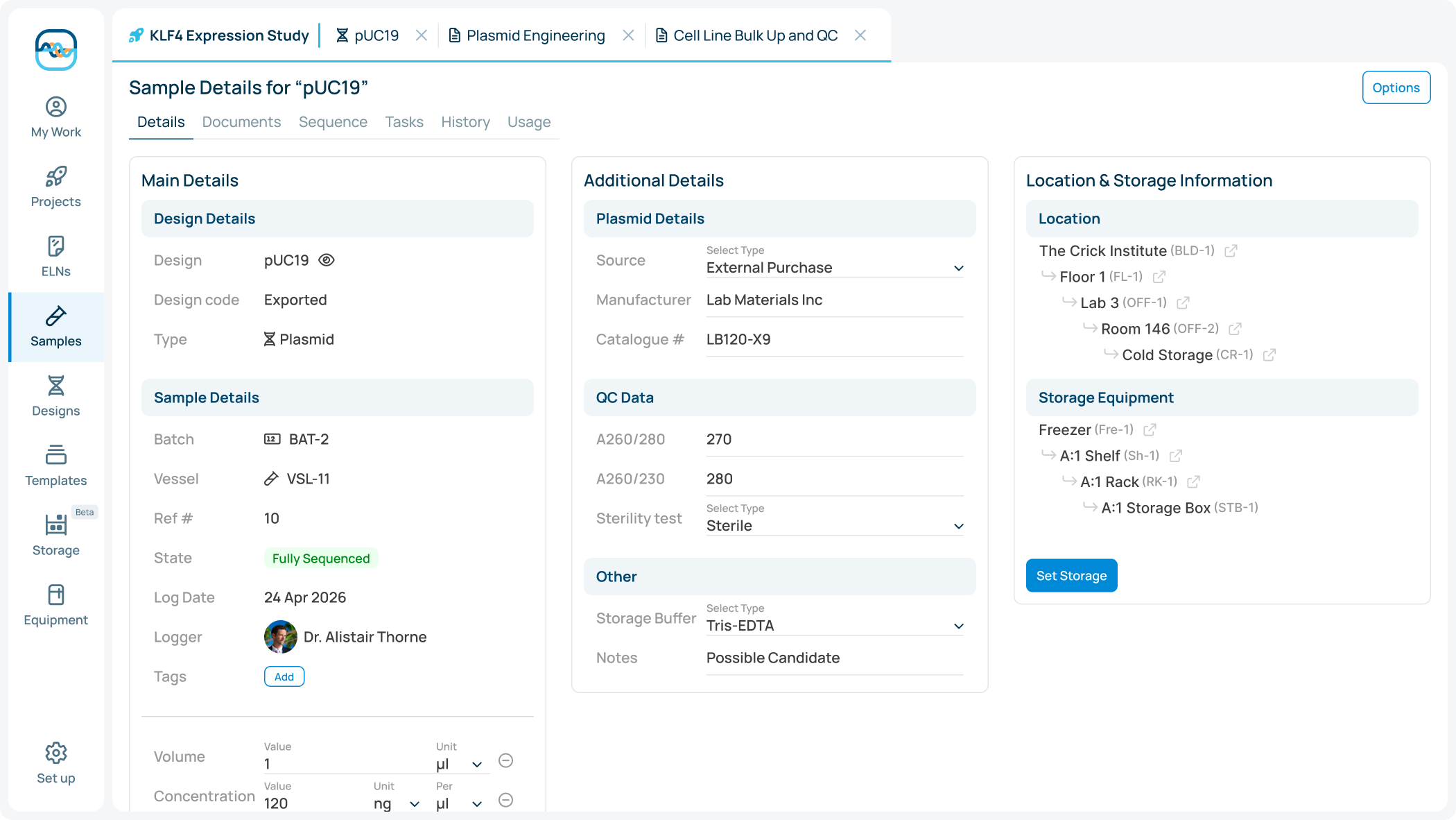

The Integrated LIMS ELN Alternative
Core Features & Integrated Benefits:
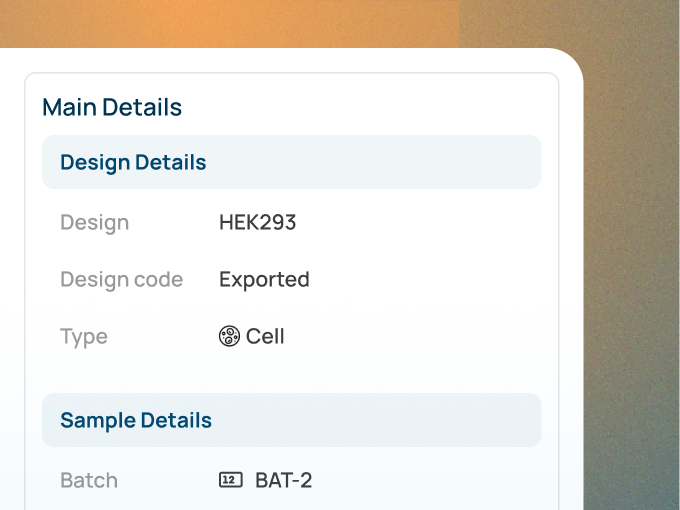
Every Sample linked to its “origin story”
Every sample in your repository is digitally linked to its foundational DNA design and the specific ELN record pertaining to its creation, such that any researcher can see exactly how every sample was generated at any time.
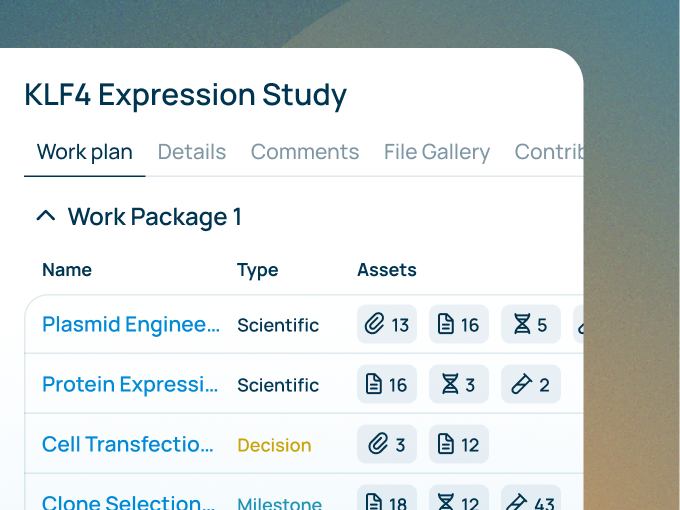
Write once, update everywhere
Update sample status, volumes, and locations once. The update will carry through to every task or record that sample is attached to, eliminating the need for manual cross-referencing. Your digital project record becomes a single source of truth.
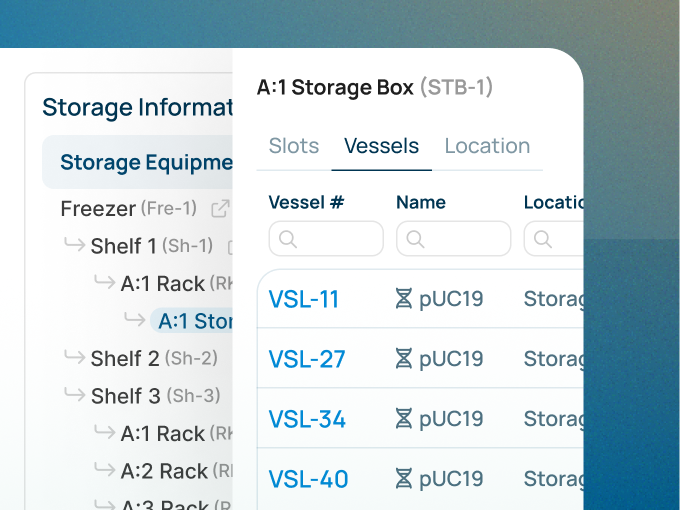
Robust Search & Metadata Filtering
Instantly locate assets using custom tags, project names, or creator IDs to transform your freezer from a "black box" into a searchable library, accelerating the pace of retrieval and experimentation.
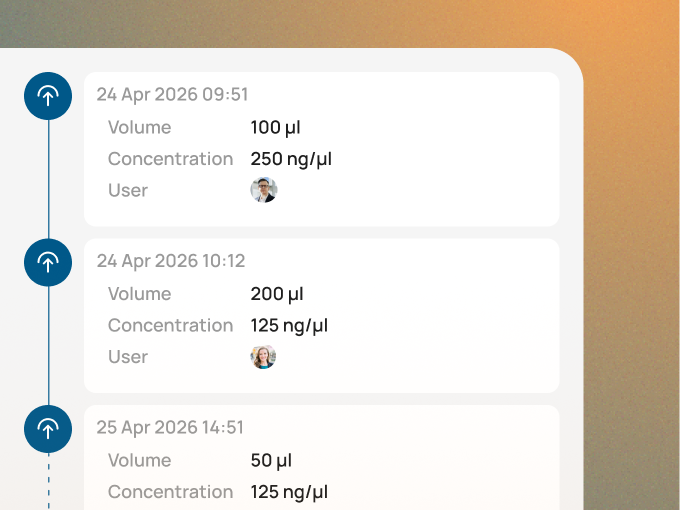
Audit-Ready Inventory Logs
Maintain a permanent, timestamped history of every sample's lifecycle for regulatory compliance, making physical data integrity a byproduct of your daily work, not an additional step in your workflow.
Lab Information Management Software that Recognises the Value of your Research

Connected Samples
Еvery sample connected to its original design and experimental record.

Single Source of Truth
Еdit once, update everywhere - no manual re-entry or outdated documents.

Seamless Handover
Understand the full sample history at a glance.

Freezer Visibility
Retrieve samples faster with a detailed freezer storage maps.
Everything you need to know
Standalone lab information management software often treats samples and experimental notes as separate data categories. In our integrated LIMS ELN architecture, inventory is a live datapoint within the project file, connecting every vial to the digital protocol that created it. This eliminates the complexity trap of legacy systems by ensuring data flows automatically between modules without manual re-entry.
By default, notifications will be highlighted within the app; click on the bell icon in the top right to see new notifications. You can also choose to receive email notifications when you have been tagged or sent a comment. The system will also automatically send you a “round up” email highlighting any unactioned comments or review requests at the end of each week.
The laboratory management system provides detailed freezer storage maps and robust metadata filtering. You can instantly locate assets using custom tags, project names, or creator IDs.
Yes. Dynamic sample attribution allows you to directly access and open sample records from within an ELN entry to facilitate updates. While the Notebook acts as the portal rather than the place where the data is edited, it provides the immediate link needed to adjust status, volumes, and locations, removing the need for manual re-entry across different systems.
Barcode generation and scanner integration will be available as part of a planned future development.
Because every physical vial is linked to its "origin story"—including its DNA design and original ELN record—any researcher can see the full history of a sample at a glance, making it easy to pick up and continue projects with no downtime.